







ISO Consulting, Training & Auditing Services
Quality Resource Center (QRC) is a Silicon Valley–based ISO consulting firm with over 35 years of experience helping organizations achieve certification, improve operational performance, and reduce business risk.
Since the early 1990s, QRC has supported global clients across regulated and high-tech industries with practical, audit-ready management systems—not generic templates.
Trusted ISO Consulting Since 1993
QRC provides end-to-end ISO consulting, training, implementation, and auditing services for organizations pursuing certification or strengthening existing management systems.
Our consultants work alongside leadership teams to implement systems that meet certification requirements while supporting efficiency, scalability, and long-term performance.
ISO Standards We Support
Quality & Aerospace
- ISO 9001 Quality Management Systems
- AS9100 / AS9110 / AS9120 Aerospace Quality
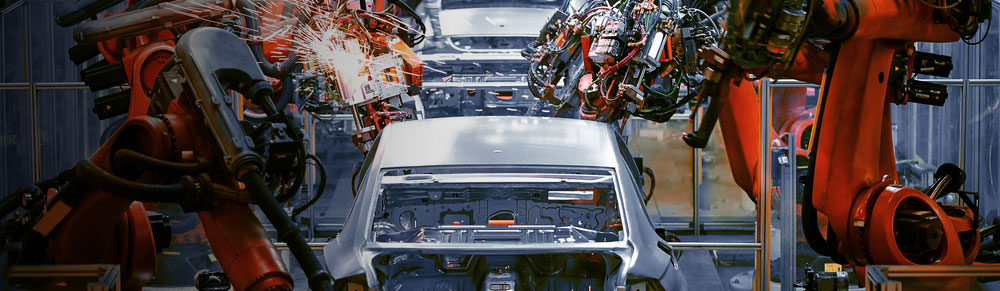
- IATF 16949 Automotive Quality
Medical Devices & Data Security
Environmental, Safety & Sustainability
- ISO 14001 Environmental Management
- ISO 45001 Occupational Health & Safety
- R2, RIOS & e-Stewards Recycling Standards
Our ISO Consulting Services
Quality Resource Center provides complete lifecycle ISO support, including:
- ISO consulting and implementation
- Internal audits and readiness assessments
- ISO internal auditor training and certification
- Management and executive training
- Ongoing system maintenance and improvement support
Whether you require turnkey ISO consulting, targeted audit support, or internal auditor training, QRC delivers structured, proven solutions aligned with certification and business objectives.
Why Organizations Choose QRC
- Over three decades of ISO consulting experience
- Silicon Valley–based with nationwide reach
- Registrar-aware, audit-ready methodologies
- Minimal disruption to daily operations
- Practical systems built for real-world use
Speak With an ISO Expert
Call (800) 244-5409
Contact Us
QRC News & Insights
ISO 14001:2015 Update – Where Are We?
ISO 14001:2004 is being revised. The International Organization for Standardization working group responsible for revising the text has already met and has produced a draft which is now being circulated for comment to its member bodies.
Since the inception of ISO 14001, more than 300,000 organizations worldwide have implemented the standard, the market-leading certification-system for environmental-management systems. Its’ popularity is the result of the continued efforts of the committee to revise, maintain, and update the standard, keeping it current relevant ecological, political and social developments.
As the previous revision dates back several years, the International Organization for Standardization (ISO) has announced the next version for 2015 and recently provided an insight into the changes by publishing a so-called “Committee Draft“.
The latest draft of the revised ISO 14001:2015 is being circulated to ISO’s members for comment and the working group undertaking the revision met at the end of February to address the responses to this consultation. The output from that meeting will be a “Draft International Standard”, which will undergo a full public consultation in Q2 next year, with the resulting revised published in mid-2015.
ISO 14001:2015 will have a new structure and “common text”, following new ISO guidelines for all management systems standards. Furthermore, it will address the recommendations from the ISO “Future Challenges” study for the adoption of various new approaches and methods in the field of EMS.
The Future Challenges study recommended that consideration be given in the revision of ISO 14001 to the content of ISO 26000 – Guidance on Social Responsibility, which considers the environment as the “planet” element of the “People, Planet and Profit” model. Future Challenges suggests that 14001 should address the environmental principles in ISO 26000 and also consider aligning its language.
The four environmental themes considered in ISO 26000 are:
- Prevention of pollution (waste and emissions);
- Sustainable resource use (materials, energy and water consumption);
- Climate change and mitigation (GHG);
- Protection of the environment and restoration of natural habitats (ecosystems, biodiversity, land and natural resources, urban and rural development).
More to come as Quality Resource Center has identified the major changes, and we will be publishing another in the series of soon to help you understand the key aspects of this new revision.